Unlock The Secret To Perfect Bread Crumb Production Line
Introduction: The Rising Global Demand for Industrial Bread Crumbs
The global food industry is witnessing a significant transformation, with the demand for high-quality, industrially produced bread crumbs reaching an all-time high. Unlock The Secret To Perfect Bread Crumb Production Line is not merely an exploration of machinery; it is a deep dive into the technical synergy required to produce the crunchy, golden textures that consumers crave. Historically, bread crumbs were a byproduct of stale bread, but modern food processing has evolved. Today, the "perfect" bread crumb—specifically the highly sought-after "needle-like" Panko—is the result of sophisticated extrusion and electrode baking technologies that ensure consistent pore structure and a superior "crunch" factor that traditional methods simply cannot replicate.
At the heart of a successful production facility lies the ability to balance high-volume output with meticulous quality control. From the initial mixing of raw materials to the precision of the final sifting process, every stage of the production line must be synchronized. Advanced twin-screw extrusion technology allows manufacturers to control the density and expansion of the dough, which is the "secret" to achieving that light, airy texture that doesn't absorb excess oil during frying. This efficiency is critical for B2B suppliers who must meet strict food safety standards while maintaining a competitive cost-per-kilogram.
Furthermore, the shift toward automated bread crumb lines addresses the growing need for versatility. Whether you are producing fine granules for traditional coatings or large, flaky crumbs for premium seafood and poultry products, a modern line offers the flexibility to switch between particle sizes with minimal downtime. By investing in a high-performance, food-grade stainless steel (SUS304) system, manufacturers are not just buying equipment; they are future-proofing their business against rising labor costs and fluctuating market demands. Understanding these core mechanics is the first step toward dominating the global breading and battering market, ensuring your product stands out in both texture and shelf-life stability.
The Engineering Behind a High-Performance Bread Crumb Production Line
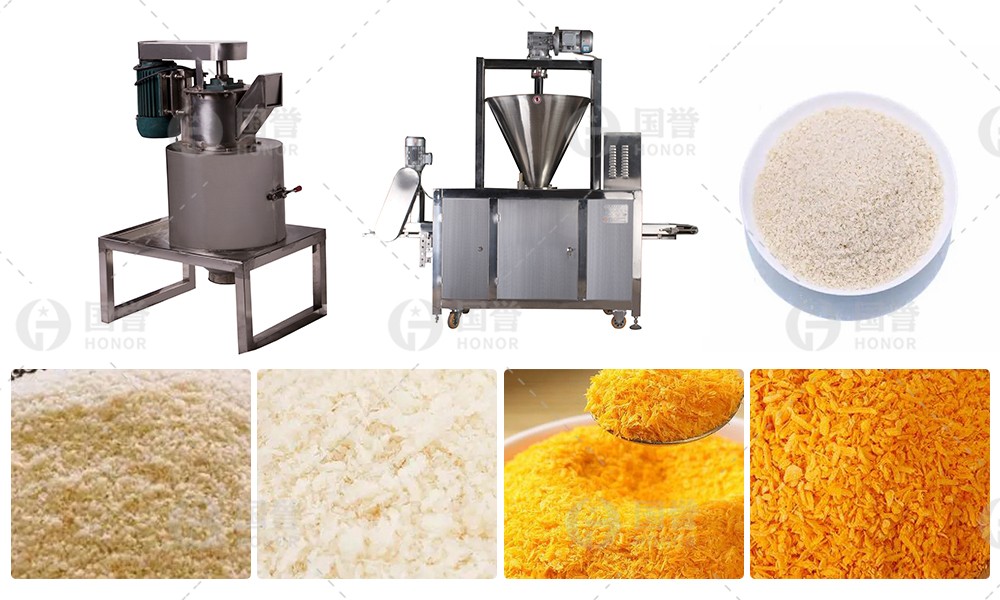
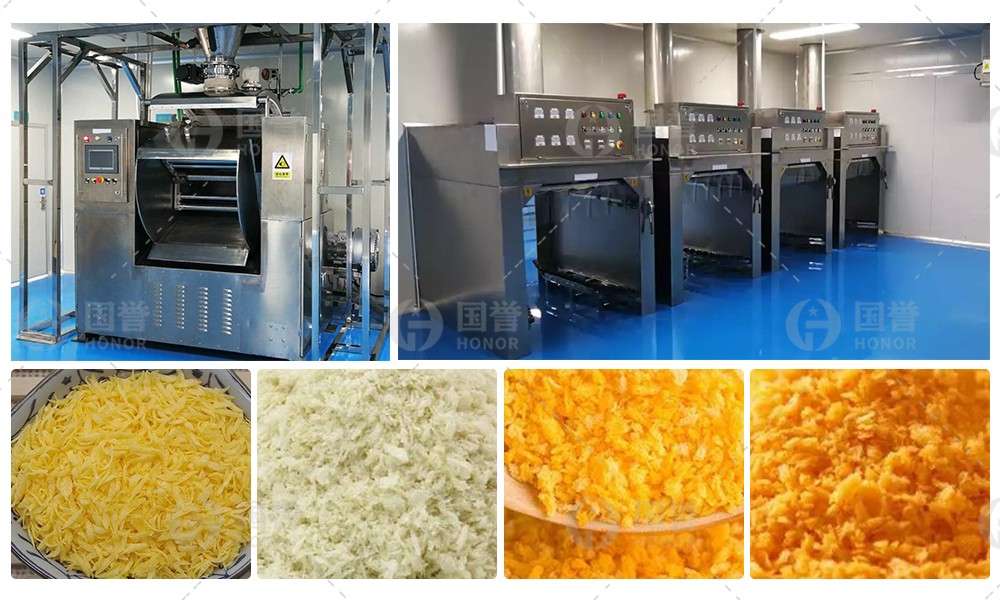
The engineering of an Electrode Bread Crumb Production Line represents the pinnacle of professional breading technology, specifically designed to produce the authentic "Panko" style that is world-renowned for its light, needle-like texture. Unlike standard extrusion methods that use mechanical shear to cook dough, the electrode maturation process utilizes the electrical resistance of the dough itself to generate heat from within. This "Internal Heating" secret ensures that the bread is baked uniformly without forming a hard outer crust. This lack of crust is the engineering breakthrough that allows for a 100% utilization rate of the bread loaf, ensuring that every single crumb possesses the same pearly white color and delicate, airy crunch that high-end food processors demand.
|
Machine |
Function |
|
Dough mixer |
Mix the flour, starch, water, and food additives (such as salt and sugar) evenly according to the specified proportions. |
|
Electrode Baking Oven |
Core Equipment. It utilizes electrodes to generate heat within the material (or transfers heat via an electrically heated barrel), enabling the raw dough to undergo starch gelatinization (alpha-amylase conversion) and protein denaturation within a short timeframe, thereby imparting to the breadcrumbs their characteristic color and cooked flavor. |
|
Bread Crumb Crusher |
The dried, elongated or large-sized materials undergo coarse crushing; by adjusting the rotor speed or screen mesh size, they are processed into breadcrumbs of the desired flake or granular form. |
|
Vibrate Fluid Bed Dryer |
Through the combined action of vibration and hot air, the material is fluidized, thereby achieving rapid and uniform drying or cooling. |
- Electrode Baking
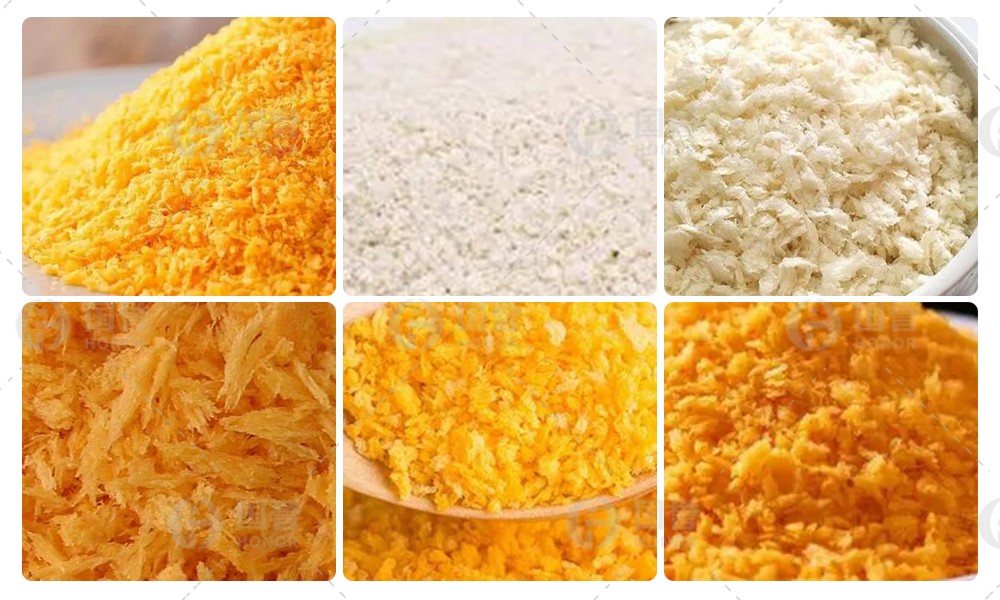
Precision in this production line begins with the Electrode Baking Oven, where a carefully controlled electrical current passes through the dough. This process creates a unique, large-pore cellular structure that is much more fragile and "shready" than traditional baked or extruded bread. As a sales professional, it is important to highlight that this internal maturation preserves the integrity of the wheat proteins, resulting in a crumb that stands up better to frying without absorbing excessive grease. The engineering focus here is on the stability of the current control and the precision of the electrode plates, which must be crafted from high-grade materials to ensure food safety and long-term durability in a continuous industrial environment.
- Precision Crushing
The transition from a baked electrode loaf to the final packaged product is where the "secret" of the perfect crumb is physically shaped. In an Electrode Bread Crumb Production Line, the Crushing and Sifting Phase is far more than a simple grinding process; it is a precision engineering task designed to preserve the delicate, airy structure created in the electrode oven. Unlike standard grinders that might pulverize the product into a dense powder, high-performance bread crumb crushers utilize specialized blade configurations and adjustable gap settings. This allows manufacturers to produce the iconic "long needle" flake that characterizes premium Panko, ensuring the crumbs remain light and sharp rather than rounded and dull.
The technical superiority of this stage lies in the multi-stage reduction approach. By utilizing a series of specialized rollers and cutters, the production line minimizes "fines" (excessively small particles) and maximizes the yield of high-value needle-shaped crumbs. This is critical for industrial sales, as consistent particle size directly affects the coating performance on food items like shrimp or tonkatsu. To achieve this, the line incorporates a high-efficiency Rotary Sifting System. This system uses multi-layer screens to categorize the crumbs into various grades—ranging from fine powder for traditional breading to extra-large flakes for gourmet textures—allowing a single production line to serve multiple market segments simultaneously.
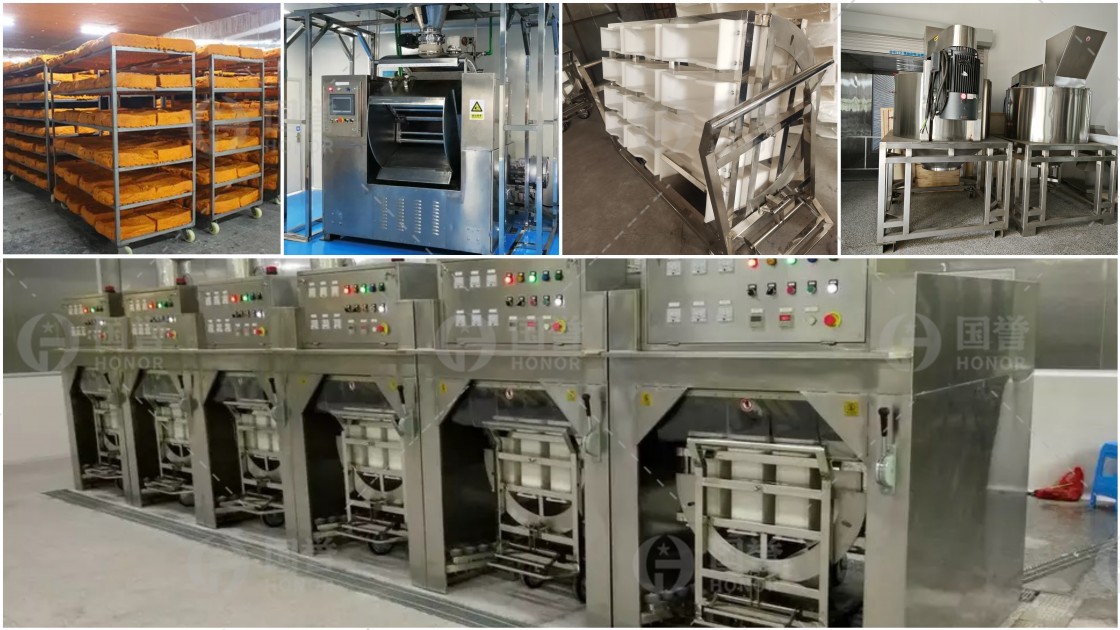
Furthermore, hygiene and durability are paramount in the sifting area to prevent cross-contamination and ensure long-term operation. Every component of the crushing and grading system is built with SUS304 Stainless Steel, featuring quick-release screens that allow operators to switch between different crumb sizes (e.g., 2mm vs. 6mm) in minutes. From a workflow perspective, the integration of dust collection systems ensures a clean factory environment, reducing waste and protecting the health of the staff. By mastering this final shaping process, your facility can guarantee a product with superior "plate coverage" and a visual appeal that stands out in the competitive global food processing market.
- Vibratory Fluidized Bed Drying
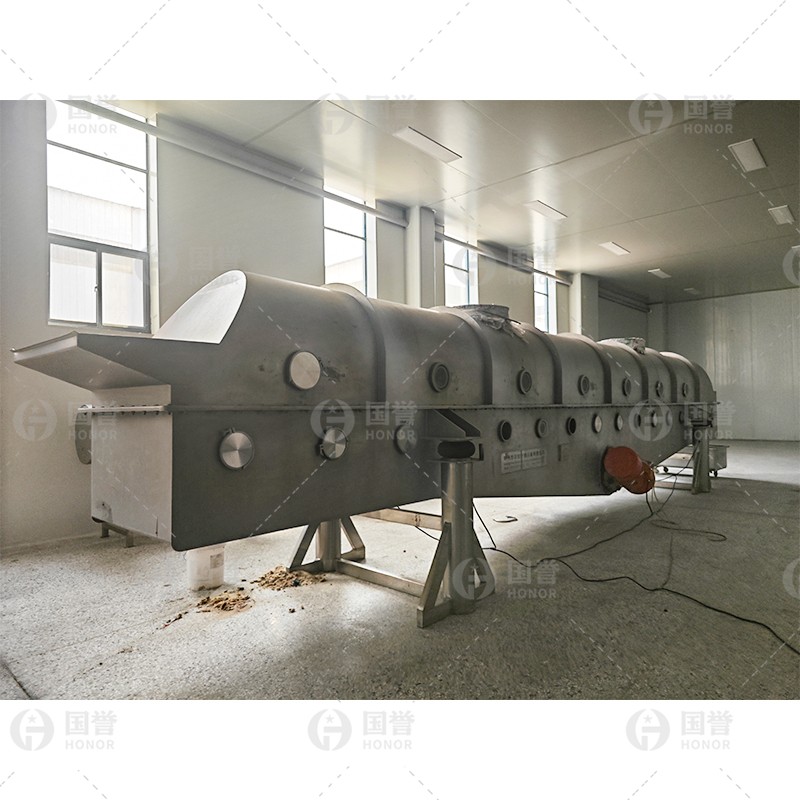
Once the electrode-baked bread has been crushed into its signature needle-like flakes, the most critical step for shelf-life and "crunch" begins: the drying process. In a professional Electrode Bread Crumb Production Line, we utilize an advanced Vibratory Fluidized Bed Dryer. Unlike traditional belt dryers that can lead to uneven drying or crushed particles, the vibratory fluidized bed uses a combination of mechanical vibration and upward-flowing hot air to "levitate" the crumbs. This creates a fluidized state where every single flake is surrounded by warm air, ensuring 360-degree moisture removal without damaging the delicate, sharp edges of the Panko.
The engineering brilliance of this stage lies in its precision temperature and airflow management. By dividing the dryer into multiple independent heating zones, manufacturers can precisely control the drying curve—gently removing moisture at the start to prevent surface hardening, and then finishing at a stable temperature to lock in the pearly white or golden-yellow color. This level of control is the "secret" to achieving a consistent moisture content (typically below 10%), which is essential for preventing mold and ensuring the crumbs remain perfectly crispy even after being packaged for months. For a sales professional, this is a key selling point: our technology ensures that the final product has a superior "fry-life" and won't become soggy when applied to frozen foods.
- Packaging
The final stage of the Electrode Bread Crumb Production Line is where your high-quality Panko is sealed and protected for the global market. Because electrode bread crumbs are characterized by their delicate, needle-like structure, the packaging process must be handled with extreme care to prevent the flakes from being crushed into powder. For high-capacity industrial operations, we integrate Automatic Vertical Form Fill Seal (VFFS) Packaging Machines equipped with specialized multi-head weighers. These systems are engineered to gently drop the crumbs into the bags, ensuring that the visual appeal of the long-needle flake remains intact from the factory floor to the end consumer’s kitchen.
Specification
|
Capacity |
Electrode Baking Oven(SET) |
|
150KGH |
1SET |
|
300KGH |
2SETS |
|
500-600KGH |
3SETS |
|
800-1000KGH |
6SETS |
|
1500KGH |
10SETS |
Why Machinery Standards Matter: Safety, Power, and Material
In the industrial food sector, the longevity and profitability of a production line are directly tied to the technical standards of its construction. Why Machinery Standards Matter: Safety, Power, and Material is a critical consideration for any investor looking to balance high-volume output with operational security. When dealing with the high-moisture doughs of the electrode process and the precise heat requirements of drying, subpar equipment is not just an efficiency drain—it is a significant business risk. For international trade, where machines must operate in diverse climates and electrical environments, adhering to premium global standards is the "secret" to minimizing downtime and ensuring a rapid return on investment.
The foundation of any high-quality bread crumb line is the material used in its construction. Professional-grade systems must utilize SUS304 Stainless Steel for all components that come into contact with food. This is not merely a preference; it is a necessity for meeting international food safety regulations like HACCP. Unlike lower-grade metals, SUS304 is resistant to the corrosive effects of salt and moisture common in breading recipes, ensuring that the machinery does not contaminate the product with rust or metallic debris over years of 24/7 operation. Furthermore, a high-quality finish makes the entire line easier to sanitize, reducing the time required for deep cleaning and preventing the growth of bacteria in the cellular structures of the equipment.
Power and motor protection represent the "heart" of the mechanical system. In an industrial environment, motors are often exposed to flour dust, humidity, and heat. This is why we prioritize motors with an IP55 protection rating, which ensures that the internal components are shielded against dust ingress and low-pressure water jets used during cleaning. Beyond physical protection, the integration of high-end frequency converters (such as those from Siemens or ABB) allows for precise control over the production speed. This electrical sophistication ensures that the electrode oven and the vibratory fluidized bed dryer operate at peak efficiency, reducing energy waste and protecting the system from power surges that could otherwise lead to costly mechanical failures.
Finally, safety standards extend beyond the machine's durability to the protection of the human operators. A high-performance line includes integrated emergency stop systems, heat insulation on high-temperature zones, and dust extraction units that maintain a breathable atmosphere on the factory floor. By investing in machinery that meets these rigorous standards, manufacturers protect their most valuable assets: their employees and their brand reputation. Providing a safe, efficient, and food-grade environment is the hallmark of a world-class production facility, and it starts with the technical specifications of the machinery you choose to install.
Conclusion: Future-Proofing Your Food Processing Business
As the global food landscape continues to evolve, the ability to adapt to changing consumer preferences while maintaining high operational efficiency is what separates market leaders from their competitors. Future-Proofing Your Food Processing Business starts with moving away from outdated, labor-intensive methods and embracing the precision of the electrode maturation process. The demand for premium Panko is no longer limited to high-end restaurants; it has become a staple in the frozen food, snack, and retail sectors worldwide. By investing in an automated Electrode Bread Crumb Production Line, manufacturers are not just increasing their current output—they are building a versatile foundation that can respond to the next decade of culinary trends, from gluten-free alternatives to innovative, low-oil absorption coatings.
The "secret" to long-term success lies in the synergy between technological innovation and industrial reliability. A production line built with food-grade SUS304 Stainless Steel, energy-efficient IP55-rated motors, and advanced Vibratory Fluidized Bed drying technology ensures that your facility remains compliant with increasingly strict global food safety regulations. Moreover, the modular nature of modern lines allows for easy scaling; as your market share grows, your equipment can be optimized to meet higher volumes without compromising the signature "needle-like" texture that defines your brand. In an era where energy costs and labor shortages are rising, automation is the only sustainable path to maintaining a healthy profit margin and a consistent product quality.
Ultimately, the goal of any food processing venture is to deliver a product that stands out on the shelf and performs perfectly in the fryer. Whether you are a startup entering the breading industry or an established factory looking to upgrade your technology, choosing a partner with global installation expertise is vital. The transition to a high-efficiency electrode line is a strategic move that minimizes waste, reduces energy consumption, and maximizes the visual appeal of the final product. By prioritizing these advanced engineering standards today, you ensure that your business remains competitive, profitable, and ready to dominate the global snack and coating markets of tomorrow.
Reference
1. Food Processing:
Website: [Food Processing](https://www.foodprocessing.com/)
2. Food Engineering:
Website: [Food Engineering](https://www.foodengineeringmag.com/)
3. Process Industry Forum:
Website: [Process Industry Forum](https://www.processindustryforum.com/)
4. Food Manufacture:
Website: [Food Manufacture](https://www.foodmanufacture.co.uk/)